


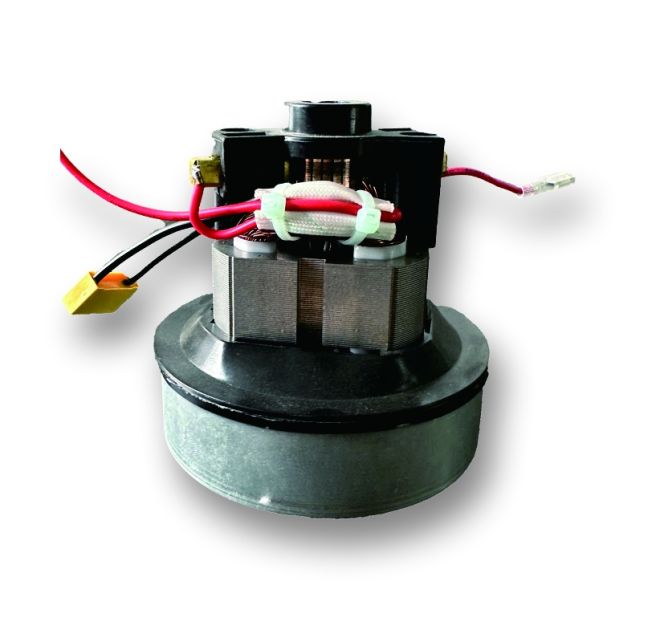
Crumbs in the car, dust on the sofa, and a motor that wheezes like it ran a marathon—picking a 12v vacuum cleaner motor can feel harder than cleaning the mess itself.
This beginner’s guide shows you how to choose the right 12v motor with clear steps and tested criteria, backed by performance data from the U.S. Department of Energy appliance standards.
🧲 Understanding Basic Parameters: Voltage, Power, and Suction of 12V Motors
When you choose a 12V vacuum cleaner motor, focus on voltage, power, and suction. These three factors decide cleaning strength, battery life, and safety.
Beginners should read the label and data sheet carefully. Clear basic data helps you avoid weak suction, overheating, or short motor life.
1. Voltage: Why 12V Matters
12V motors work well with car power, small batteries, and portable vacuums. They balance safety, compact size, and enough suction for daily dust cleaning.
- Safe low voltage for car and home use
- Works with lead-acid or lithium batteries
- Simple wiring and control
2. Power (Wattage) and Real Cleaning Strength
Power shows how much energy the motor uses. Higher watts often mean stronger suction, but design and airflow also affect real cleaning performance.
| Power (W) | Use Scene |
|---|---|
| 60–80W | Light dust, desktops, keyboards |
| 80–120W | Car interiors, sofas, small rooms |
| 120–180W | Deeper carpet and pet hair |
3. Suction Indicators: kPa and Airflow
Suction is usually shown as vacuum (kPa) and airflow (L/min or m³/h). A good 12V motor keeps both values stable during long use.
- Vacuum (kPa): shows how tight the motor can “pull” dust
- Airflow: shows how much air moves through the nozzle
- Look for balanced vacuum and airflow, not just one number
4. Efficiency and Energy Use
High efficiency means the motor turns more electric power into suction, not heat. It gives longer battery life and lower energy cost.
| Motor Type | Typical Efficiency |
|---|---|
| Basic brushed | 55–65% |
| Optimized brushed | 65–75% |
| High-efficiency design | 75% and above |
🧪 How Motor Structure Affects 12V Vacuum Cleaner Performance and Durability
Internal structure decides how strong, quiet, and long-lasting a 12V motor is. Good design reduces wear, sparks, and heat build-up during long use.
For beginners, looking at bearings, windings, and cooling paths helps you judge if the motor suits heavy or light cleaning jobs.
1. Armature and Winding Quality
The armature core and copper windings guide current and magnetic flow. Better materials give smoother rotation and lower loss.
- Use thick, even copper wire
- Look for firm insulation and neat winding
- High-temperature enamel reduces short risks
2. Bearings and Shaft Support
Bearings hold the shaft in place. Their type affects noise, life, and how stable the motor runs at high speed.
| Bearing Type | Noise | Life |
|---|---|---|
| Sleeve | Medium | Short–Medium |
| Ball bearing (single) | Low | Medium–Long |
| Ball bearing (double) | Very low | Long |
3. Cooling Design and Ventilation
Cooling vents, fan blades, and shell shape guide air through the motor. Good cooling keeps temperature low and slows insulation aging.
- Check for clear, well-shaped air inlets/outlets
- Built-in fan blades improve cooling
- Compact shell, but with enough air space
4. Data Comparison: Structure vs Life
Here is a simple example script to compare different motor structures using a bar chart. You can place it where charts are allowed in your page.
🔊 Noise, Heat, and Stability: Key Indicators of Motor Quality
Noise, heat level, and smooth running show how well a 12V motor is made. These factors also affect comfort and safety.
1. Noise Levels
Quieter motors use better bearings and balanced rotors. Lower noise makes car and home cleaning more pleasant, especially in tight spaces.
| Noise (dB) | Feeling |
|---|---|
| ≥80 | Very loud, tiring |
| 70–79 | Acceptable for short use |
| ≤69 | Comfortable for long use |
2. Heat Control
Overheating weakens insulation and shortens life. Look for clear temperature data and overload protection in the motor or controller.
- Surface stays within safe range during long runs
- Built-in thermal cut-off is a plus
- Good cooling design helps keep power stable
3. Running Stability
Stable motors vibrate less, protect internal parts, and keep suction steady. Balance and tight assembly both matter for stability.
🛠️ Matching 12V Motors to Different Vacuum Cleaner Application Scenarios
Different tasks need different 12V motors. Think about dust type, run time, and power source before you choose.
Pick a motor that matches your main cleaning scene instead of only chasing the highest watt rating.
1. Car Vacuum Cleaners
Car vacuums need compact motors with strong instant suction and low power draw to protect the car battery.
- Power: 80–120W
- Focus: strong spot suction, small size
- Car socket or built-in battery friendly
2. Handheld and Home Spot Cleaners
Home handheld units work best with motors that balance weight, noise, and run time, ideal for sofas and corners.
| Parameter | Suggestion |
|---|---|
| Weight | Light motor shell |
| Noise | Below 75 dB |
| Run Time | 15–30 minutes per charge |
3. Light Industrial or Workshop Use
Light industrial vacuums need stronger motors, better cooling, and longer life to face dust and longer work cycles.
🏅 Unsure How to Choose? Go Directly with Hanlang Technology Motors
If you feel lost in data and models, choosing a trusted motor maker can save time and cost.
Hanlang focuses on vacuum cleaner motors and offers matched solutions for commercial and daily cleaning.
1. Reliable Commercial-Grade Options
For commercial or heavy-duty use, you can consider the HANLANG Universal Vacuum Cleaner Motor | Commercial Use to get stable power and long service life.
2. Custom Matching for Your Application
Hanlang can tune power, voltage, and structure to match car, home, or commercial vacuums, helping brands shorten development time.
3. After-Sales and Technical Support
Professional support helps you read test data, solve noise and heat issues, and choose the right motor faster.
Conclusion
A good 12V vacuum cleaner motor should balance power, suction, noise, and heat control. Matching these to your real cleaning scene is the key step.
By checking structure, test data, and brand support, beginners can avoid many hidden risks and build longer-lasting, more efficient vacuum systems.
Frequently Asked Questions about 12v vacuum cleaner motor
1. Is higher wattage always better for a 12V vacuum motor?
No. Higher wattage can mean more suction, but also more heat and power draw. Aim for efficient design, not just maximum watts.
2. How long can a 12V motor run without overheating?
It depends on cooling and load. Many models support 10–20 minutes of continuous use. Always follow the maker’s duty-cycle guide.
3. Are ball bearings worth the extra cost?
Yes for frequent or long use. Ball bearings lower noise, improve stability, and can triple motor life compared with basic sleeve bearings.
4. Can I use a 12V motor with both car and battery power?
Yes, if voltage and current match. Use proper wiring, fuses, and a controller rated for the peak current of the motor.