


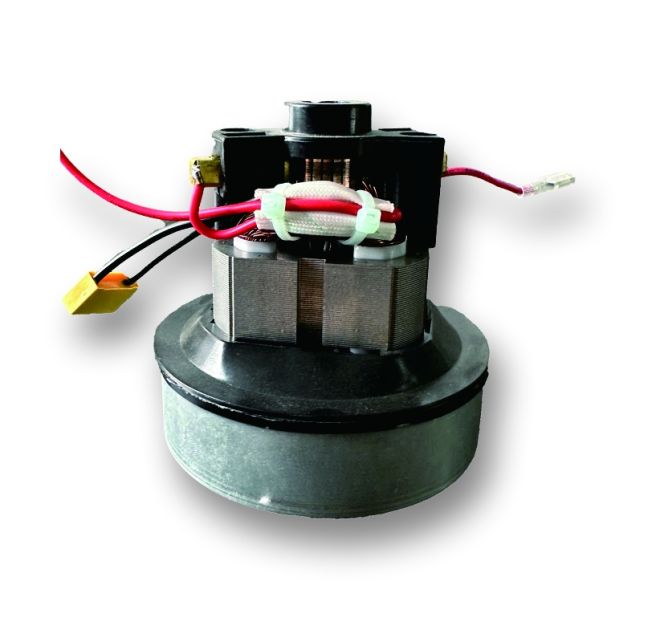
Is your vacuum screaming like a jet engine yet still missing crumbs, making you wonder if its motor is secretly on strike?
Match your motor’s rpm to its ideal range for strong suction and longer life, as outlined in this DOE motor performance report.
🔧 Relationship between vacuum motor rpm and suction efficiency at home
A household vacuum motor’s rpm (revolutions per minute) controls airflow and suction power. The right range gives strong cleaning while avoiding wasted energy and extra noise.
For most home vacuums, an effective working range is about 18,000–28,000 rpm, depending on motor design, fan size, and filtration system resistance.
1. What rpm means for airflow and suction
As rpm increases, the motor fan spins faster and moves more air. More airflow raises suction, helping the vacuum lift dust, pet hair, and deeper dirt from carpets.
- Low rpm: weaker suction, quieter, lower energy use
- Mid rpm: good suction for daily cleaning
- High rpm: deep cleaning, more noise and heat
2. Best rpm range for typical home use
For most homes, 20,000–24,000 rpm offers a good balance of suction and comfort. Many modern vacuums use variable speed to match different floor types.
| Floor type | Suggested rpm |
|---|---|
| Hard floors | 18,000–21,000 |
| Low‑pile carpet | 20,000–23,000 |
| High‑pile carpet/rugs | 23,000–26,000 |
3. When higher rpm actually helps
Higher rpm helps when cleaning thick carpets, corners, and stubborn debris. Short bursts at high speed can remove embedded dust that low speeds leave behind.
- Deep carpet cleaning days
- Pet hair on sofas and rugs
- Heavy sand, soil, or crumbs
4. Role of motor quality and design
Well‑designed motors keep strong suction at moderate rpm. A high‑efficiency unit, such as a HANLANG Universal Vacuum Cleaner Motor | Commercial Use, can deliver strong airflow without always needing maximum speed.
- Better bearings lower friction
- Balanced fan reduces vibration
- Optimized airflow paths cut losses
⚙️ How motor speed affects noise, comfort, and cleaning performance
Motor rpm strongly affects sound level, user comfort, and cleaning efficiency. Good design lets you clean fast while keeping noise and vibration at a pleasant level.
Choosing the correct speed for each task can shorten cleaning time, reduce fatigue, and keep neighbors or family members from being disturbed.
1. Noise levels at different rpm
Noise usually rises quickly as rpm increases. Beyond a certain speed, small gains in suction can cause big jumps in loudness and harsh high‑frequency sound.
2. Comfort and ease of use
Moderate rpm often feels more comfortable. The handle vibrates less, and the sound is smoother, so you can clean longer without feeling tired or annoyed.
- Use mid speed for long cleaning sessions
- Lower speed at night or in apartments
- Higher speed only when needed
3. Cleaning speed vs. cleaning quality
High rpm may clean faster but can kick up dust if filtration is weak. Balanced settings pick up more dirt in one pass without scattering particles.
| Setting | Passes needed | Typical rpm |
|---|---|---|
| Eco | 2–3 | 18,000–20,000 |
| Standard | 1–2 | 20,000–23,000 |
| Boost | 1 | 24,000–26,000 |
4. Matching rpm to room type
Use different speeds for bedrooms, living rooms, and kitchens. This fine‑tuning cuts noise where people relax but keeps power where dirt is heavier.
- Bedrooms: low to medium rpm
- Living room rugs: medium to high rpm
- Kitchen and entryways: medium rpm
🌡️ Balancing rpm for motor lifespan, heat management, and reliability
Higher rpm increases heat and wear. A well‑chosen speed range prevents overheating and extends the useful life of the vacuum motor and its components.
By avoiding constant maximum rpm, you help bearings, brushes, and insulation last longer, which means fewer repairs and more stable suction over time.
1. How rpm creates heat inside the motor
Faster spinning causes more electrical and friction losses, which turn into heat. Heat, if not managed, slowly damages winding insulation and plastic parts.
- Check vents and filters often
- Do not block airflow with overfilled bags
- Give the motor short rest periods on long jobs
2. Ideal rpm band for long service life
For many household units, running mostly at 70–85% of maximum rated rpm offers strong suction while keeping coil temperature in a safe operating zone.
| Operating level | Approx. rpm | Impact on life |
|---|---|---|
| Light | 18,000–20,000 | Longest life |
| Normal | 20,000–24,000 | Balanced |
| Maximum | 24,000–28,000 | Use briefly |
3. Signs that rpm is too high for your vacuum
If the vacuum smells hot, feels very warm at the housing, or shuts off by its thermal fuse, speed or airflow is likely too high or blocked.
- Burning smell: stop and cool the unit
- Frequent cut‑offs: lower rpm, clean filters
- Sharp whine: possible bearing stress
🔋 Optimal rpm range for energy-saving household vacuum operation
Choosing the right rpm range saves electricity without losing cleaning power. Efficient motors often give the best results at medium speeds, not maximum.
Smart speed control can reduce your energy bill while still keeping floors, carpets, and furniture free from daily dust and pet hair.
1. Why medium rpm often saves the most energy
Power use usually climbs faster than suction at high rpm. Mid‑range speeds give most of the suction for much less added electrical load.
- Use Eco mode for light dust
- Switch to Standard for normal daily cleaning
- Boost only for problem spots
2. Typical efficient rpm zones
On many household vacuums, 19,000–23,000 rpm is the most efficient zone where the motor runs cool and achieves strong everyday cleaning performance.
| Mode | Approx. rpm | Energy profile |
|---|---|---|
| Eco | 18,000–20,000 | Lowest power draw |
| Normal | 20,000–23,000 | Best balance |
| Turbo | 24,000–26,000 | Highest usage |
3. Practical tips to cut energy without losing cleanliness
Plan cleaning routes and use the right tools. With a good nozzle and brush, you can stay in mid rpm and still get deep cleaning results.
- Clean filters so suction stays strong at lower rpm
- Vacuum more often at lower speed
- Use crevice tools for corners instead of max power
🏠 Hanlang Technology recommended rpm setting guidelines for typical household cleaning tasks
Hanlang Technology suggests flexible rpm ranges tailored to room types and dirt levels, so users get strong cleaning while protecting the motor and saving power.
These guidelines work well with modern variable‑speed vacuums and help homeowners choose speeds that match daily, weekly, and deep‑cleaning tasks.
1. Daily light cleaning
For quick daily runs on mixed floors, choose a low‑to‑medium setting. This removes surface dust and crumbs without creating much noise or heat.
| Task | Recommended rpm |
|---|---|
| Dust on hard floors | 18,000–20,000 |
| Light debris on rugs | 19,000–21,000 |
2. Weekly full‑house cleaning
Weekly sessions can use slightly higher rpm on carpets and rugs, while keeping speed lower on hard floors and in smaller, echo‑prone rooms.
- Bedrooms: 19,000–21,000 rpm
- Living room carpets: 21,000–24,000 rpm
- Stairs and corners: short bursts at 23,000–25,000 rpm
3. Deep cleaning and problem areas
For deep cleaning after parties, renovations, or pet shedding, short periods near the upper rpm range can remove dirt that normal settings miss.
- Pet areas: 23,000–26,000 rpm
- Entrance mats with sand: 24,000–26,000 rpm
- Use high rpm in short bursts, then cool at mid speed
Conclusion
The best rpm range for a household vacuum motor sits between about 18,000 and 24,000 rpm for most daily needs. This level supports strong suction, reasonable noise, and good energy use.
Short bursts at higher rpm are useful for deep cleaning, but regular operation at moderate speeds gives better comfort, longer motor life, and more reliable performance.
Frequently Asked Questions about rpm of vacuum cleaner motor
1. Is higher rpm always better for suction?
No. Higher rpm boosts suction only up to a point. After that, noise, heat, and energy use rise faster than cleaning power. Balanced mid‑range speeds work best for most homes.
2. What rpm do most household vacuums use?
Many household vacuums operate roughly between 18,000 and 28,000 rpm. Normal cleaning usually happens near 20,000–24,000 rpm, with the top range used briefly for heavy dirt.
3. Can running at maximum rpm damage my vacuum?
Short use at maximum rpm is normally safe. Running at top speed for long periods, especially with clogged filters, can cause overheating, faster wear, and earlier motor failure.
4. How can I tell if my rpm setting is too high?
If the vacuum is very loud, the body gets hot, or it emits a burning smell or keeps shutting off, your speed or airflow load is likely too high for safe use.
5. Does lower rpm always save energy?
Lower rpm usually uses less power, but if you need many more cleaning passes, the total energy may be similar. Mid‑range rpm with clean filters is often the most efficient choice.