


Is your vacuum wheezing like an old accordion and still missing every crumb, dust bunny, and mystery fluff colony hiding under the couch?
Relax—choosing the right motor type fixes that. Compare performance and efficiency using this Energy Star vacuum guide to find a motor that actually sucks—in a good way.
🌀 Comparing brushed and brushless motors for everyday household cleaning
Brushed and brushless vacuum motors each offer unique benefits for home users. Knowing their differences helps you pick the right motor for floors, carpets, and pet hair.
Brushless motors cost more but offer better control, longer life, and smoother suction. Brushed motors stay popular for budget vacuums and simple daily cleaning tasks.
1. Key design differences
Brushed motors use carbon brushes to deliver power, while brushless motors rely on electronics. This change reduces friction, heat, and internal wear over time.
- Brushed: simple build, low upfront price
- Brushless: advanced control, cooler operation
- Both: widely used in upright and canister vacuums
2. Performance in daily cleaning
Brushless motors usually respond faster and keep suction steadier, especially on mixed flooring. Brushed motors still clean well but may lose strength as parts wear.
| Motor Type | Suction Stability | Best Use |
|---|---|---|
| Brushed | Moderate | Light daily cleaning |
| Brushless | High | Mixed floors, pet homes |
3. Cost, repairs, and lifespan
Brushed motors are cheaper but need more service, especially brush replacement. Brushless motors cost more at first yet often last longer with fewer breakdowns.
- Brushed: brushes wear out, more noise with age
- Brushless: fewer moving parts, longer service intervals
4. Best choice for your home type
Small homes and tight budgets may favor brushed motors. Busy families or pet owners often prefer brushless motors for stable suction and reduced maintenance.
- Studios: compact brushed or brushless stick vacuums
- Large homes: powerful brushless canister or upright models
⚡ Energy efficiency of different vacuum motor types in modern apartments
Energy-efficient motors cut power bills and reduce heat in small apartments. Most new vacuums use either upgraded brushed motors or smart brushless designs.
Look at wattage and suction together, not wattage alone. Efficient motors deliver strong airflow while drawing fewer watts and wasting less power as heat.
1. Typical power use by motor type
Brushed motors often run between 800–1600W, while many brushless motors reach similar suction at 400–1000W. Lower watts with good suction mean better efficiency.
| Motor Type | Power Range (W) | Efficiency |
|---|---|---|
| Standard Brushed | 1200 | Medium |
| High-Efficiency Brushed | 900 | Medium-High |
| Brushless | 700 | High |
2. Apartment lifestyle and cleaning habits
In modern apartments, short but frequent cleaning sessions are common. Efficient motors handle quick runs without overheating and keep noise and costs lower.
- Quick daily runs need fast startup
- Compact storage favors lighter brushless designs
3. Bagged, bagless, and filters’ impact
Clogged filters and full dust bins force any motor to work harder. Regular filter cleaning keeps watt use lower and suction stronger over time.
- Washable filters: good for busy homes
- HEPA filters: need more frequent checks
4. When to choose a universal motor
Universal motors match well with many commercial-style and heavy-duty home vacuums. They offer strong power with improved control and stable performance.
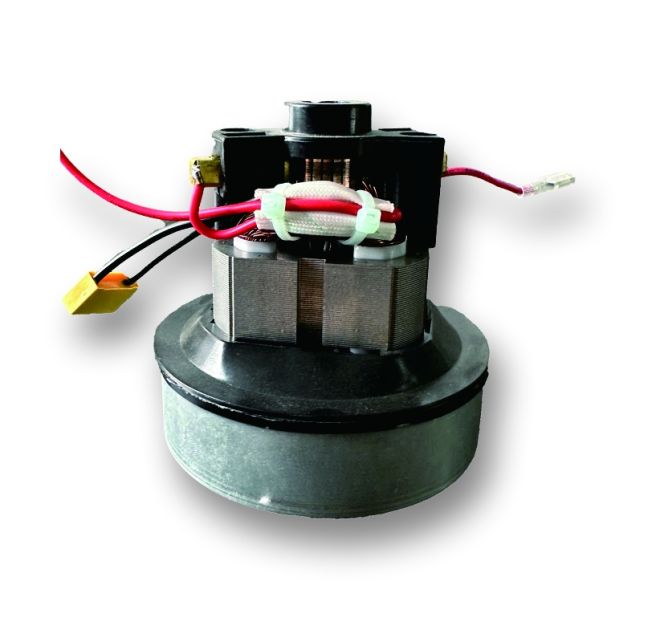
For higher-demand cleaning, consider the HANLANG Universal Vacuum Cleaner Motor | Commercial Use as a robust option that can also serve larger homes.
🔇 Noise levels: choosing quieter motors for small homes and studios
Noise matters in shared spaces. Quieter motors let you clean early or late without disturbing children, neighbors, or people working from home.
Motor type, airflow path, and insulation all affect noise. Brushless motors usually run smoother, creating less harsh sound for the same suction level.
1. Typical dB levels by motor design
Standard vacuums often sit around 75–85 dB, while quiet models can reach 60–70 dB. Brushless motors usually help cut sharp, high-pitched sounds.
| Type | Approx. Noise (dB) |
|---|---|
| Standard Brushed | 80–85 |
| Improved Brushed | 72–78 |
| Brushless | 65–75 |
2. Features that lower noise at home
Sound-dampening covers, better bearings, and controlled motor ramps reduce noise. Many quiet vacuums start gently, then increase power as wheels roll.
- Soft start to avoid sudden roar
- Insulated motor housing
- Smooth airflow paths and sealed joints
3. Best picks for studios and shared spaces
Stick vacuums with brushless motors work well in studios. For shared halls, choose models branded as “quiet” with listed dB levels on the label.
- Check decibel rating before buying
- Use lower power mode for quick touch-ups
🏠 Motor durability and maintenance needs for long-term home cleaning performance
Durable motors lower total cost of ownership. A strong motor with simple care can clean your home reliably for many years.
Brush design, cooling, and dust protection decide how long a motor lasts. Regular care prevents early failures and keeps suction reliable week after week.
1. Wear points in brushed motors
Carbon brushes and commutators slowly wear down. Over time, you may notice more sparks, smell, and noise if you skip regular checks and cleaning.
- Inspect brushes after years of use
- Replace when heavily worn or chipped
2. Brushless motors and reduced upkeep
With no brushes to replace, brushless motors mainly need clean airflow and solid cooling. Good filters protect bearings and internal parts from dust.
| Motor Type | Main Maintenance |
|---|---|
| Brushed | Brush replacement, dust removal |
| Brushless | Filter care, vent cleaning |
3. Simple habits to extend motor life
Empty the bin before it is packed, clean filters on schedule, and check for clogs. These small steps greatly reduce stress on the motor.
- Do not block vents or air inlets
- Avoid running at max power on thick rugs for long periods
🌬️ Suction power versus energy use: balancing performance in household vacuum motors
Good home vacuums balance strong suction with smart energy use. You want deep cleaning without wasting power every time you vacuum.
Motor design, fan shape, and seals all affect suction. Better engineering can raise airflow while keeping watt levels moderate, especially in brushless models.
1. Understanding watts, air watts, and airflow
Watts show input power, not cleaning strength. Air watts and airflow better reflect how much dust and debris your vacuum can actually pick up.
| Measure | What It Shows |
|---|---|
| Watts | Electric power drawn |
| Air Watts | Useful suction power |
| CFM | Air volume moved |
2. Variable power modes for daily use
Multi-speed motors let you clean hard floors on a low setting and carpets on high. This approach saves energy on easier jobs.
- Eco mode: daily dust and light dirt
- Standard: mixed floors and area rugs
- Boost: stubborn dirt and pet hair
3. Matching suction level to your flooring
Hard floors need less suction but good airflow; thick carpets need more pull. Choosing the right setting protects both your motor and your floors.
- Use lower power on delicate rugs
- Use higher power for deep carpet cleaning sessions
Conclusion
Choosing the right vacuum cleaner motor means balancing noise, power, lifespan, and energy use. Brushed motors offer low cost, while brushless and universal motors deliver higher efficiency and durability.
Match motor type to home size, floor types, and cleaning habits. With smart care and proper settings, your vacuum can stay powerful and reliable for years.
Frequently Asked Questions about motor used in vacuum cleaner
1. Which motor type is best for a small apartment?
A compact brushless motor is often best. It offers quiet operation, good suction, and strong energy efficiency in tight spaces with thin walls.
2. Do higher watts always mean stronger suction?
No. Higher watts show more power use, not always better cleaning. Look at air watts, airflow, and design to judge real suction performance.
3. How often should I service a brushed motor vacuum?
For normal home use, check brushes and clean dust paths every 1–2 years. Heavy users or pet homes may need checks a bit more often.
4. Are brushless motors worth the higher price?
Usually yes, if you clean often or live in a bigger home. They last longer, run quieter, and often use less power for the same suction.
5. Can I reduce vacuum noise without buying a new motor?
You can clean filters, check for clogs, and switch to a lower power mode. Adding soft rugs and closing doors can also reduce perceived noise.