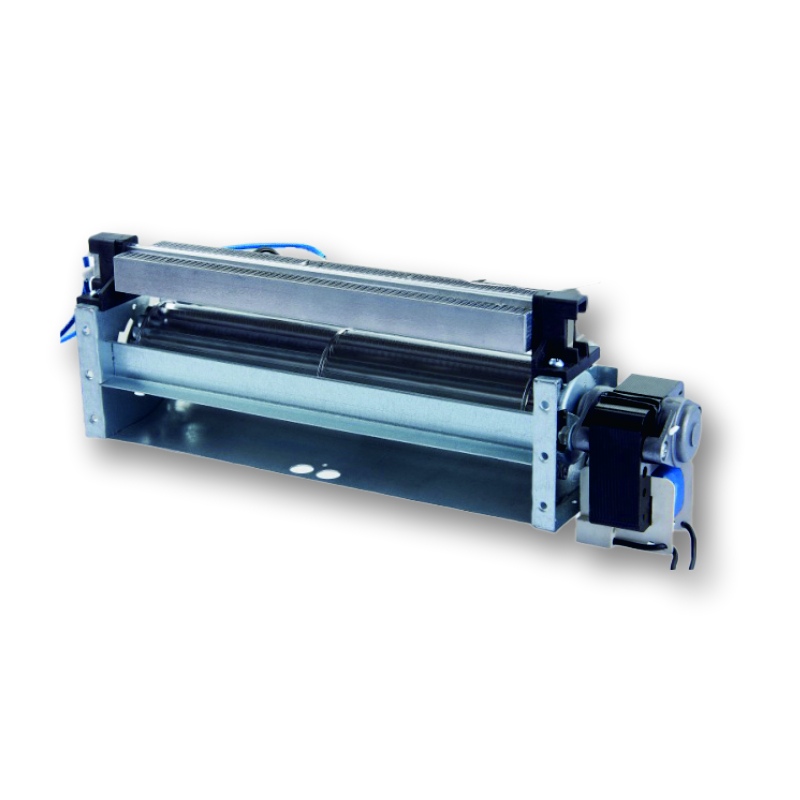



Understanding the Outdoor Fan Motor's Role
The outdoor fan motor is a crucial component of your HVAC system, tasked with driving the fan blades that circulate air over the condenser coils. This process disperses heat from your home’s interior, ensuring efficient cooling. When this motor fails, your system's performance can significantly diminish, leading to higher energy bills and discomfort.
How It Impacts Your System
A malfunctioning fan motor can cause the entire system to overheat, resulting in a complete breakdown if not addressed promptly. Recognizing the importance of this component underscores the need for timely maintenance or replacement.
Assessing Your DIY Skills and Knowledge
Tackling the replacement of an outdoor fan motor requires a clear assessment of your technical skills and knowledge in HVAC systems. Understanding electrical circuits, mechanical assembly, and safety protocols is crucial.
Technical Proficiency
Consider whether you have experience with similar mechanical or electrical tasks. Familiarity with tools and the ability to follow technical instructions are essential skills for this project.
Risk Assessment
Evaluate the potential risks and whether you're comfortable handling high-voltage equipment. If safety is a concern, professional assistance might be the better option.
Tools and Equipment Needed for Replacement
Having the right tools and equipment on hand can make the replacement process more efficient and safe. Here’s a list of items you’ll need:
- Screwdrivers: Phillips and flathead
- Wrench set: For loosening and fastening various nuts and bolts
- Multimeter: To check electrical connectivity and voltage
- Safety gear: Gloves and goggles for protection
- Ladder: For reaching elevated units
Identifying a Faulty Fan Motor
Recognizing the signs of a failing fan motor is pivotal in deciding if replacement is needed. Symptoms often include unusual noises, reduced airflow, or the fan not spinning at all.
Signs and Symptoms
Listen for grinding or squealing sounds from the unit, which can indicate worn-out bearings or motor failure. Visually inspect the motor for any signs of damage or overheating.
Testing and Diagnosis
Use a multimeter to test the motor's connectivity and voltage output, ensuring it aligns with manufacturer specifications. This can confirm whether the motor is indeed faulty.
Purchasing the Right Replacement Motor
Selecting the correct replacement motor is crucial to ensure compatibility and efficiency. Consider factors such as motor speed, power rating, and fit.
Compatibility and Specifications
Review the specifications of your current motor, which are usually printed on the motor’s label. Match these with the new motor to ensure compatibility.
China and Global Manufacturers
China is home to many HVAC component manufacturers that offer high-quality motors suitable for various systems. Ensure the factory you choose has a good reputation and reliable products.
Step-by-Step Guide to Replacing the Motor
With preparation complete, follow these steps for a successful replacement:
- Turn off power: Ensure the HVAC unit is completely off to prevent electrical shocks.
- Remove the cover: Use a screwdriver to take off the fan grill or cover.
- Disconnect the wiring: Carefully note the connections before disconnecting the motor’s wiring.
- Remove the faulty motor: Unscrew the motor from its mount and carefully detach.
- Install the new motor: Mount the new motor and reconnect the wiring according to your notes.
- Test the system: Reassemble the cover, restore power, and test for proper operation.
Safety Precautions and Potential Hazards
Safety is paramount when dealing with electrical components and heavy machinery. Be sure to adhere to these precautions:
Electrical Safety
Always ensure the power source is disconnected before beginning work. Use insulated tools to minimize risks.
Mechanical Risks
Secure the fan blades and motor to avoid accidental dislodging or injury during the replacement process.
Potential Challenges and Troubleshooting
Challenges may arise during the replacement process, but being prepared can help mitigate issues.
Common Obstacles
Issues such as tight spaces, corroded parts, or incorrect wiring can complicate the job. Patience and careful handling are essential.
Troubleshooting Strategies
If the motor doesn't function properly after replacement, double-check all connections and ensure the motor is securely mounted. Re-evaluate your work step-by-step to identify any overlooked issues.
Maintenance Tips for Longevity
After replacement, maintaining your outdoor fan motor will extend its lifespan and improve system efficiency.
Regular Inspections
Periodically inspect the motor for signs of wear or damage. Regular maintenance prevents unexpected failures.
Cleaning and Lubrication
Keep the motor and surrounding components free of dirt and debris. Regular lubrication of moving parts can prevent premature wear.
Cost Analysis: DIY vs. Professional Assistance
Weighing the costs and benefits of doing it yourself versus hiring a professional is essential.
Financial Considerations
The cost of a replacement motor can range from $100 to $300, depending on specification. Professional installation adds labor costs, which can range from $150 to $400.
Pros and Cons
DIY replacement can save money but requires time and effort. Professional service ensures expertise and guarantees, albeit at a higher price.
Hanlang Technology Provide Solutions
Hanlang Technology offers comprehensive solutions for HVAC repairs and replacements. Whether sourcing quality motors from trusted manufacturers in China or providing expert guidance on installation, we're dedicated to delivering efficient, reliable options. Our team of professionals is ready to assist with technical support, ensuring your HVAC system operates at peak performance. Contact us for more information on our extensive range of services and solutions tailored to meet your requirements.
User hot search: ac outdoor fan motor