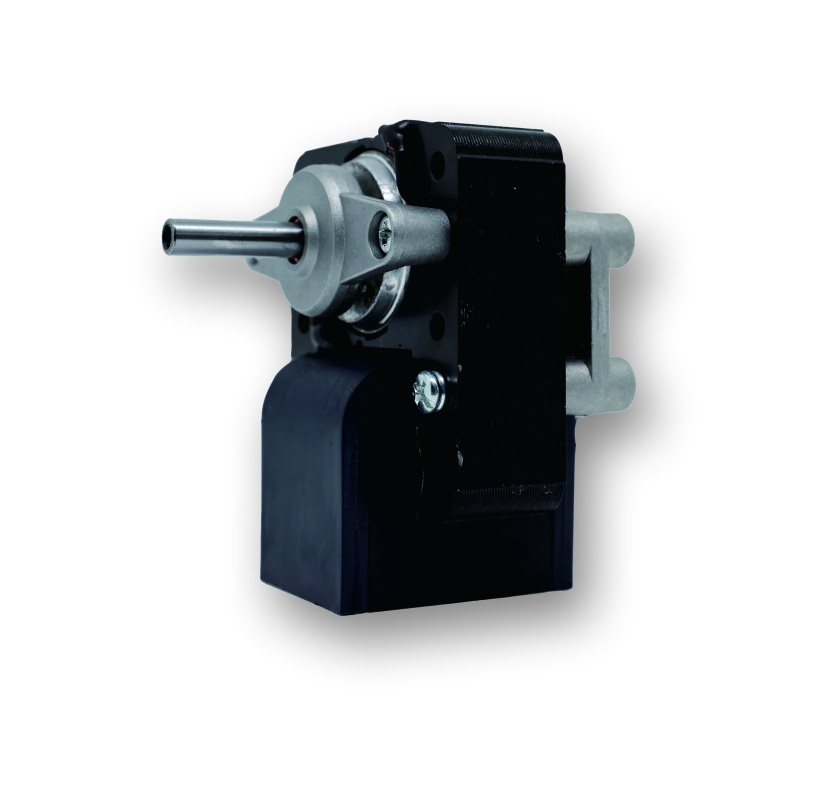



Introduction: Importance of Testing heater motors
Heater motors play a crucial role in various systems, from automotive heating systems to industrial equipment. These motors ensure the proper circulation of heated air, which is vital for maintaining desired temperatures in various environments. Regular testing of heater motors is essential to ensure optimal performance and longevity. In this article, we will delve into the detailed procedures and considerations for testing heater motors effectively.
Signs of a Faulty Heater Motor
Identifying Symptoms of Motor Failure
Knowing the signs of a faulty heater motor can help in timely diagnosis and repair. Some common symptoms include unusual noises, inadequate airflow, erratic motor operation, and overheating. These issues can stem from wear and tear, manufacturing defects, or external factors affecting the motor's performance.
The Impact of Faulty Motors on Systems
A malfunctioning heater motor can lead to system inefficiencies, increased energy consumption, and potential safety hazards. In automotive applications, it can result in reduced cabin comfort, while in industrial settings, it may lead to process disruptions. Understanding the consequences of motor failure underscores the importance of regular testing and maintenance.
Preparing for Heater Motor Testing
Gathering Necessary Tools and Equipment
Before testing a heater motor, it is vital to assemble the right tools and equipment. A multimeter, voltage tester, infrared thermometer, and necessary safety gear, such as gloves and goggles, are essential. Additionally, consulting the manufacturer's manual for specific testing procedures and recommended safety precautions is advisable.
Safety Precautions and Guidelines
Safety is paramount when testing electrical components. Ensure that the power supply to the heater motor is disconnected before starting any testing. It's also important to work in a well-ventilated area free from moisture and to follow all safety guidelines provided by the manufacturer.
Visual Inspection for Initial Assessment
Checking for Physical Damage
A thorough visual inspection is the first step in assessing a heater motor's condition. Look for signs of wear, corrosion, and physical damage on the motor housing, wires, and connectors. Misaligned parts or evidence of overheating may indicate deeper issues that need further investigation.
Inspecting Connection Points and Wiring
Ensure that all connection points are secure and free from corrosion. Damaged or loose wires can impede motor performance and pose safety risks. Repair or replace any compromised components as necessary, following factory recommendations.
Conducting a Continuity Test on Motors
Understanding Continuity Testing
Continuity testing checks whether an electrical circuit can carry current. It helps determine if there are any open circuits within the motor winding. Using a multimeter set to the continuity mode, test each winding for continuity according to the supplier's specifications.
Interpreting Continuity Test Results
A successful continuity test will produce a continuous tone, indicating an unbroken circuit. If the multimeter does not emit a tone or displays infinite resistance, it suggests a break in the circuit, requiring closer inspection or replacement of the motor.
Motor Voltage Testing Procedures
Measuring Voltage Supply to the Motor
Use a voltage tester to measure the voltage supplied to the motor. This ensures the motor receives the correct voltage as specified by the manufacturer. Documentation from the factory will provide the exact voltage range for optimal operation.
Evaluating Voltage Test Outcomes
Compare the measured voltage against the recommended range. A significant deviation could indicate issues with the power supply or internal motor components. Addressing these discrepancies is critical for motor performance and efficiency.
Analyzing Motor Speed and Performance
Assessing Motor Speed Consistency
Evaluating motor speed involves measuring the rotational speed under different operating conditions. Inconsistent speeds can indicate mechanical or electrical problems. Manufacturers often provide recommended speed ranges in technical documents and specifications.
Performance Metrics and Benchmarks
Factory-supplied benchmarks for motor performance can help determine if the motor operates within acceptable parameters. Compare test results against these benchmarks to identify any deviations that might affect overall system performance.
Thermal Testing and Overheating Prevention
Using Infrared Thermometry for Temperature Measurements
Overheating can significantly reduce motor lifespan and efficiency. Infrared thermometers provide a non-contact method to measure motor temperature accurately. Consistent temperatures within the recommended range indicate proper motor operation.
Implementing Overheat Mitigation Strategies
If overheating is detected, it is essential to investigate underlying causes. This may involve improving ventilation, adjusting load conditions, or conducting further analysis based on supplier guidelines to prevent future occurrences.
Troubleshooting Common Heater Motor Problems
Addressing Electrical and Mechanical Issues
Common problems such as burnt-out windings, faulty bearings, and electrical shorts require specific troubleshooting approaches. Manufacturers often outline repair procedures that ensure all interventions align with industry standards and safety regulations.
Guidelines for Effective Problem Resolution
Successful troubleshooting relies on a systematic approach. Review factory service manuals for detailed repair instructions and consult with suppliers for further technical support if needed. Adhering to these guidelines facilitates effective resolution and prevents recurrent issues.
Conclusion: Maintaining and Ensuring Motor Longevity
Regular testing and maintenance are fundamental practices in ensuring the longevity and efficiency of heater motors. By following manufacturer recommendations and performing routine inspections, users can preemptively address potential issues, thus prolonging the motor's operational life and enhancing overall system reliability.
Hanlang Technology Provide Solutions
Hanlang Technology offers a comprehensive range of solutions tailored for the effective testing and maintenance of heater motors. Our advanced diagnostic tools and technical support ensure accurate assessments, enabling timely interventions and repairs. By partnering with us, you gain access to industry-leading expertise and resources designed to optimize motor performance and reliability. Trust Hanlang Technology to be your reliable supplier for all your heater motor testing needs, ensuring your systems operate smoothly and efficiently.