


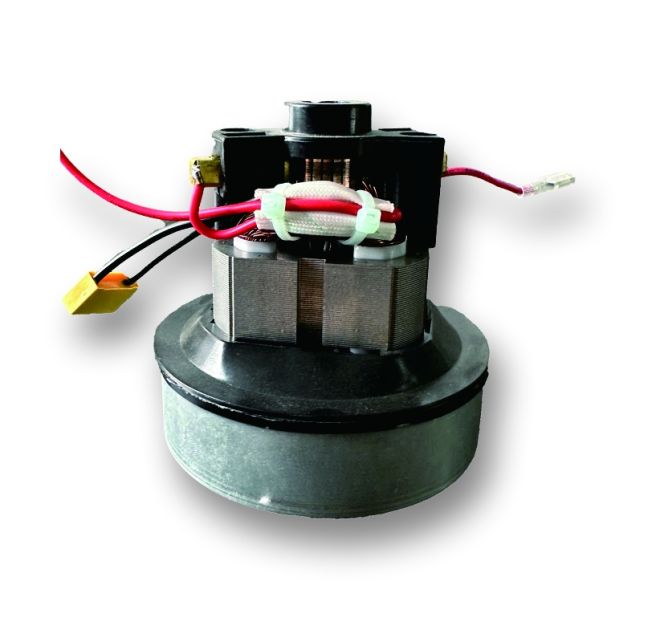
Your vacuum roars like a tiny jet engine, scaring pets, waking babies, and making you question every crumb you ever dropped. You don’t want to clean less—you just want your ears to survive the process.
To fix this, choose a low-noise motor with good insulation, optimized airflow, and verified decibel ratings. Check independent data like the U.S. EPA noise exposure report so you know your new vacuum is powerful but quiet.
🔊 Understanding key noise sources in vacuum cleaner motors
To choose a low noise vacuum motor, you need to know where sound comes from. Focus on airflow, mechanical parts, and electrical design to reduce noise.
By understanding these sources, you can compare products better and choose motors that stay quiet while still delivering strong suction and long service life.
1. Aerodynamic noise from airflow
Fast air passing through small inlets, outlets, and filters causes whistling and hissing. Blade shape, fan speed, and duct layout strongly affect this airflow noise.
- Use smooth air paths
- Select optimized fan blades
- Avoid sharp turns in ducts
2. Mechanical noise from bearings and rotor
Worn bearings, poor balance, and loose shafts create vibration and rattling. Over time, these issues grow and make the vacuum louder and less stable.
- Choose high-quality bearings
- Check rotor balance data
- Ask about life test results
3. Motor electromagnetic noise
Uneven magnetic fields and poor winding layout can cause humming sounds. Good electromagnetic design keeps torque stable and reduces buzzing at high speed.
| Factor | Effect on Noise |
|---|---|
| Slot design | Impacts humming level |
| Winding quality | Reduces vibration peaks |
4. Structural resonance of the housing
The housing can act like a speaker and amplify noise. Weak shells, thin covers, and poor supports raise overall sound pressure levels.
- Use stiff housing materials
- Add ribs or damping pads
- Check vibration test reports
⚙️ Structural design factors that reduce motor vibration and sound
A smart structure cuts noise at its source. Look for motors that combine rigid housings, precise rotors, and damping parts to limit vibration spread.
These design choices help keep the vacuum quiet in homes, hotels, and commercial areas, even after long, hard use.
1. Rotor balance and shaft accuracy
Well-balanced rotors spin smoothly and reduce shaking. Accurate shafts keep the air gap uniform, which lowers both vibration and tonal noise.
| Parameter | Typical Target |
|---|---|
| Balance grade | G2.5 or better |
| Shaft runout | < 0.02 mm |
2. Housing stiffness and damping
A stiff frame changes how vibration travels and lowers amplification. Added damping materials absorb energy and cut peak noise at key frequencies.
- Thicker shells for less flex
- Strategic ribs on large panels
- Damping rings near bearings
3. Bearing support and mounting
Good bearing seats and mounts block vibration from entering the vacuum body. This helps the whole machine sound quieter in daily use.
- Precision bearing seats
- Elastic mounts at key points
- Low-friction lubrication system
4. Data-based noise optimization
Advanced makers use test data to refine noise levels across loads. Below is a simple example of how different designs compare in decibel values.
📏 Interpreting decibel parameters for low noise motor selection
Noise numbers matter. Learn how to read dB(A) ratings, test conditions, and distance so you compare motors fairly and avoid hidden noise.
1. Understanding dB and dB(A)
dB(A) weights sound to match human hearing. Always compare dB(A), not raw dB, when choosing motors for homes and commercial cleaning spaces.
- Lower dB(A) means quieter sound
- Every 3 dB cut feels noticeable
2. Test distance and background noise
Noise data must state distance, usually 1 meter, and room background noise. Without this, ratings can look better than they are in reality.
| Distance | Typical Use |
|---|---|
| 0.5 m | Lab motor tests |
| 1.0 m | Product catalog data |
3. Load conditions and speed
Noise rises at full load and higher speed. Choose motors tested at realistic airflow and pressure to avoid surprises after installation.
- Check rated speed in rpm
- Confirm noise at working load
🧪 Testing methods to evaluate vacuum motor noise performance
Reliable tests prove if a motor truly runs quietly. Look for clear methods, stable setups, and repeatable results over time and different loads.
1. Anechoic or semi-anechoic room tests
These rooms remove echoes and outside noise, giving accurate sound power data. They help compare designs and verify catalog noise figures.
- Controlled background noise
- Standard microphone layout
2. Vibration and spectrum analysis
Engineers measure vibration and sound frequency to find problem parts. Peaks show unbalanced rotors, bad bearings, or airflow issues.
| Tool | Use |
|---|---|
| Accelerometer | Measures vibration |
| FFT analyzer | Shows frequency peaks |
3. Long-term endurance noise tests
Noise can rise after many hours. Endurance tests run motors under heat and load to ensure they stay quiet through real-world service life.
- Record noise over time
- Check wear on bearings and brushes
🏭 Why Hanlang Technology motors excel in quiet operation and stability
Hanlang focuses on low noise design, strict testing, and stable parts. This makes their motors suitable for commercial vacuums that must stay quiet.
1. Optimized universal motor design
Hanlang uses advanced rotor balance, refined airflow, and strong housings. This reduces both mechanical and aerodynamic noise for long-term quiet cleaning.
- High precision rotors
- Low-vibration structures
- Stable noise levels over time
2. Strict quality and noise testing
Each batch follows noise, vibration, and endurance checks. Data feedback lets engineers fine-tune structures and keep acoustic performance under control.
| Test Type | Purpose |
|---|---|
| Noise at load | Verify catalog values |
| Life endurance | Track noise growth |
3. Application support for quiet systems
Hanlang engineers support OEMs with matching, duct design, and noise control tips. This helps you build quiet vacuums faster and with less trial work.
For commercial projects, consider the HANLANG Universal Vacuum Cleaner Motor | Commercial Use to balance strong suction with low noise output.
Conclusion
Low noise vacuum motors depend on airflow design, stable structures, and clear test data. You should compare dB(A), vibration control, and endurance results, not just power or price.
By focusing on these factors and partnering with experienced makers like Hanlang, you can build or select vacuums that stay quiet, efficient, and reliable for many years.
Frequently Asked Questions about quiet vacuum motor
1. What dB(A) level is considered quiet for a vacuum motor?
For household and light commercial use, motors that allow the complete vacuum to run around 70–75 dB(A) at 1 meter are usually considered pleasantly quiet.
2. Does higher power always mean more noise?
No. Good aerodynamic design, strong housings, and balanced rotors can keep noise low even at higher power. Design quality matters more than power alone.
3. How can I reduce noise in an existing vacuum design?
Improve air paths, add damping around the motor, use better seals, and consider upgrading to a balanced, low-vibration motor with proven noise test data.