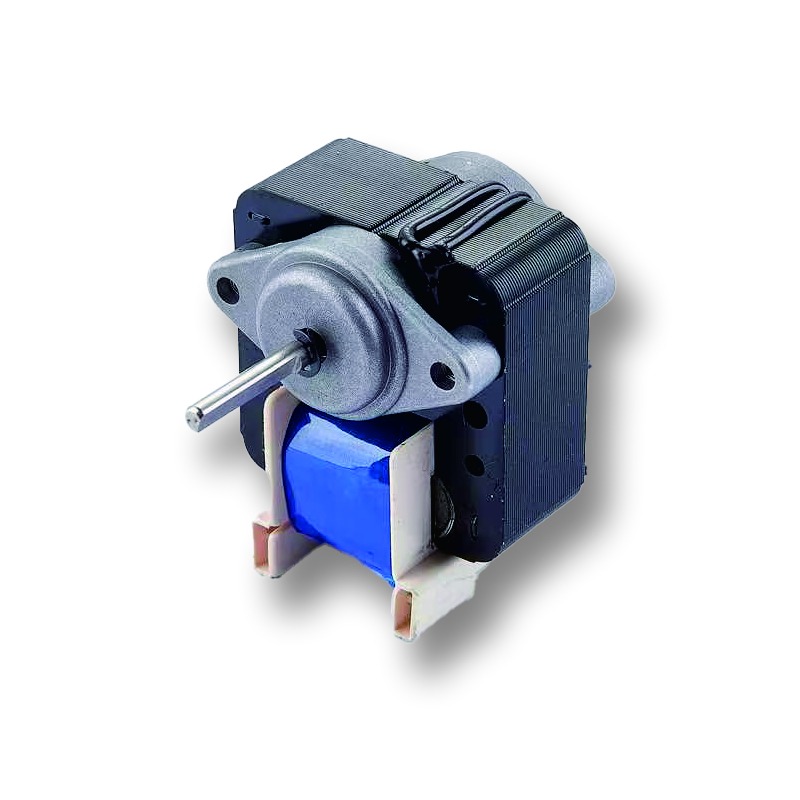



Introduction to stand fan motors
Stand fans are a staple in many households and businesses due to their ability to circulate air efficiently. The backbone of these devices is the motor, which powers the fan blades to provide the desired airflow. Understanding the types of motors used in stand fans can help consumers and manufacturers select the most suitable option for their needs. The primary types of motors in stand fans are alternating current (AC) motors and direct current (DC) motors.
Common Types of Motors in Stand Fans
Overview of Motor Types
There are two predominant motor types used in stand fans: AC and DC motors. Each type has distinct characteristics that make it more or less suitable for different fan models. AC motors are generally less expensive and more commonly found in budget-friendly or traditional fan designs, whereas DC motors are often utilized in more modern or energy-efficient models.
AC Motors: Characteristics and Usage
Functionality and Design
Alternating Current (AC) motors are powered by the alternating current supply from the electrical grid. They are known for their simple design and durability. AC motors typically operate at constant speed and are a cost-effective option for many manufacturers in China and worldwide. These motors are excellent for applications where precision control of speed is not required.
Performance Metrics
AC motors usually operate at a fixed speed, which corresponds to the frequency of the power supply. Standard AC motors used in stand fans generally run at speeds between 1200 to 1600 RPM (revolutions per minute). One of the primary advantages is their ability to run on electricity supplied by most power grids without the need for additional components.
DC Motors: Characteristics and Usage
Innovative Motor Design
Direct Current (DC) motors differ from AC motors by using direct current electricity supplied from batteries or converted from AC. These motors are more energy-efficient than their AC counterparts and offer variable speed capabilities, making them ideal for fans that require precise speed control.
Efficiency and Versatility
DC motors can run at various speeds, typically between 700 to 1500 RPM, depending on design and application. The ability to control speed easily increases their efficiency and allows for quieter operation, making them a suitable choice for premium stand fan models. The initial cost is higher compared to AC motors, but the energy savings over time can offset this expense.
Advantages of Using AC Motors in Fans
Cost-Effectiveness and Reliability
AC motors are generally less expensive to manufacture and purchase, making them a popular choice for wholesale suppliers looking to offer budget-friendly stand fans. Their simple construction provides a level of reliability that is attractive to both manufacturers and consumers. Maintenance is typically minimal, which enhances their appeal.
Wide Availability and Compatibility
AC motors are widely available through suppliers in China and elsewhere, making them accessible for incorporation into a variety of fan models. Their compatibility with standard electrical grids reduces complexity in the fan's design and eliminates the need for additional converters or adapters.
Advantages of Using DC Motors in Fans
Energy Efficiency and Control
DC motors offer superior energy efficiency, using up to 70% less energy compared to AC motors under similar conditions. This efficiency is a significant advantage in regions with high electricity costs or where energy savings are prioritized. DC motors provide the ability to finely tune fan speed, allowing tailored airflow to suit specific environments.
Environmental Benefits
Since DC motors consume less power, they contribute to a reduction in overall energy consumption, leading to lower greenhouse gas emissions. This aspect is particularly important for environmentally conscious consumers and aligns with global trends toward sustainability.
Comparing AC and DC Motors for Stand Fans
Performance and Application
- AC motors: Suitable for applications where cost is a primary concern and precise speed control is not necessary.
- DC motors: Ideal for environments demanding energy efficiency, noise reduction, and variable speed options.
The choice between AC and DC motors depends largely on the specific requirements of the stand fan application, including budget constraints and the importance of energy savings.
Technological Advances in Stand Fan Motors
Innovation and Development
Recent advancements in motor technology have led to the development of more efficient and quieter motors, enhancing the usability and comfort provided by stand fans. Innovations such as brushless DC motors have become popular due to their extended lifespan and reduced maintenance needs. Suppliers, particularly in China, are at the forefront of integrating these technologies into new fan models.
Environmental Impact of Motor Types
Considerations for Manufacturers and Consumers
The environmental impact of motor selection is an important factor for both manufacturers and consumers. While AC motors are simpler and less costly, DC motors offer lower energy consumption and emissions, aligning with global sustainability goals. Choosing the right motor type can contribute to a more sustainable supply chain and end product.
Future Trends in Stand Fan Motor Technology
Emerging Trends and Potential Developments
The future of stand fan motor technology is likely to focus on increased efficiency, reduced noise levels, and enhanced control features. The integration of smart technologies and IoT capabilities may further improve user interaction and energy management. Suppliers from China are expected to play a significant role in these developments, leveraging their manufacturing capabilities and emphasis on innovation.
Hanlang Technology Provide Solutions
Hanlang Technology offers efficient and reliable solutions for stand fan motors by providing cutting-edge DC and AC motor technologies tailored to meet diverse client needs. By leveraging our expertise and commitment to innovation, we aim to deliver motors that not only enhance fan performance but also contribute to energy savings and environmental sustainability. For suppliers seeking to develop or source stand fans, Hanlang Technology offers comprehensive consultation and support, ensuring each product meets the highest standards of quality and efficiency.